I’ve recently started exploring the wonderful world of Tiki drinks. And, this could be stating the obvious, but rum plays a big part of it. Before learning how to make Mai Tais (even though I’m still not exactly sure what a Mai Tai is) I knew that there were different types of rum but I never really thought about the variations between them.
I was, and still am, a whiskey person. But the sheer selection of options in the rum world are staggering. And, for the uninitiated, possibly intimidating. But fear not! I am here to educate you on the delicious sugar cane derivative.
At the most basic level, rum is just that – the distillate of sugarcane byproducts. Molasses or honeys are the most common. There is also rhum agricole popular in the ex-French colonies in the Caribbean, but more on that later. But that’s barely scratching the surface. The many regions of the Caribbean have given the world almost as many variations on this delightful liquid.
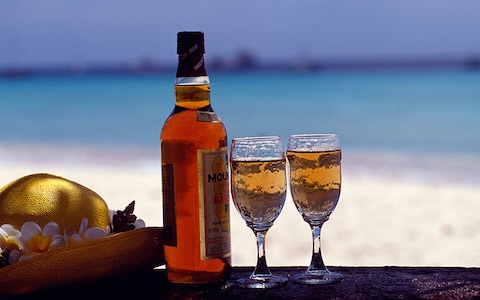
Cuban rum: Cuban rum, as with rums produced in ex-Spanish colonies, are generally more smooth. Maybe not quite as funky as some others. Bacardi used to be the gold standard but now they generally aim for the college/party market. I would suggest some Flor de Cana. Makes for great daiquiris. Real ones. Not the frozen slushy abominations.
Jamaican rum: Rums made from ex-English colonies are generally sweeter and have a more molasses-forward flavor. Myers and Appleton Estate are good options here. Necessary for a good Mai Tai as well.
Rhum Agricole: From the ex-French colonies, rhum agricole are made from sugar cane juice rather than molasses. This will produce a more vegetal taste. This funkiness is generally called “fogo”. Make yourself a nice Ti Punch, a Caribbean take on the Old Fashioned (in the sense that it’s simple, I guess) and just feel a nice ocean breeze come into your life.
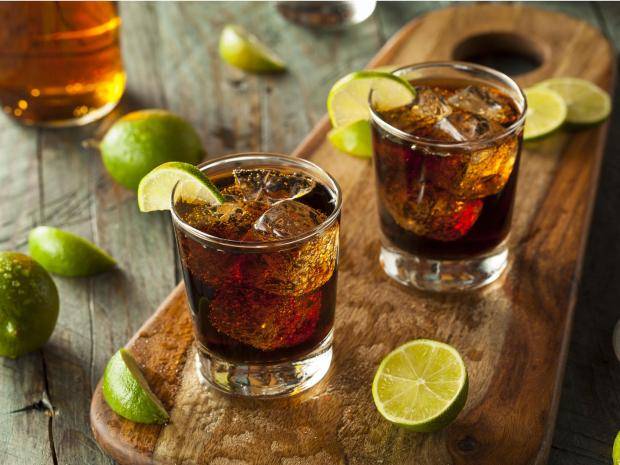
Spiced: Just rum with additives. Sugar, spices, and some things nice. Can make your own at home.
Cheers!
 The Miksologist